

In today’s fast-paced industrial and consumer landscape, selecting the right material for your projects is crucial. Stainless steel stands out as a versatile, durable, and aesthetically pleasing solution, making it indispensable across various sectors. Whether you’re in construction, manufacturing, or home design, understanding stainless steel’s benefits can elevate your outcomes. This article explores why stainless steel is a top pick for professionals and enthusiasts alike.
Unmatched Durability and Strength
Stainless steel is renowned for its exceptional resilience. Composed primarily of iron, chromium, and nickel, it forms a protective oxide layer that shields against corrosion and rust. This inherent strength ensures longevity, even in harsh environments like coastal areas or chemical plants. Unlike ordinary steel, stainless steel maintains its integrity over time, reducing maintenance costs and downtime. For example, in industrial settings, stainless steel pipelines and equipment resist wear and tear, ensuring uninterrupted operations. Its ability to withstand extreme temperatures and pressures further solidifies its role as a reliable material for critical applications.
Aesthetic Appeal and Design Flexibility
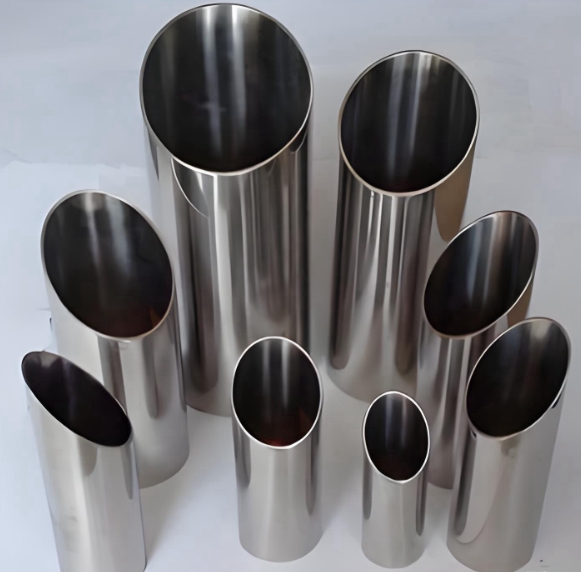
Beyond functionality, stainless steel offers unmatched visual elegance. Its sleek, shiny surface enhances modern architecture, kitchen appliances, and decorative items. Designers favor stainless steel for its adaptability—it can be polished to a mirror finish or brushed for a subtle matte effect, catering to diverse aesthetic preferences. In consumer products like smartphones and automotive parts, stainless steel adds a premium touch, boosting perceived value. Its clean appearance also simplifies cleaning, making it ideal for hygiene-sensitive environments such as hospitals and food processing facilities. This blend of beauty and practicality explains why stainless steel dominates high-end markets.
Cost-Effectiveness and Sustainability
While initial costs may be higher than alternatives, stainless steel proves economical in the long run. Its durability minimizes replacement needs, and recyclability aligns with global sustainability goals. The material can be repurposed indefinitely without quality loss, reducing environmental impact. For businesses, this translates to lower lifecycle costs and compliance with green initiatives. Moreover, stainless steel’s energy efficiency in production processes further enhances its eco-friendly profile. As industries prioritize sustainable practices, stainless steel emerges as a responsible choice, aligning economic benefits with environmental stewardship.
Versatility Across Industries
Stainless steel’s adaptability spans multiple domains:
Construction: Used in structural frameworks, roofing, and cladding due to its strength and weather resistance.
Manufacturing: Essential for machinery components, tools, and storage systems that require precision and reliability.
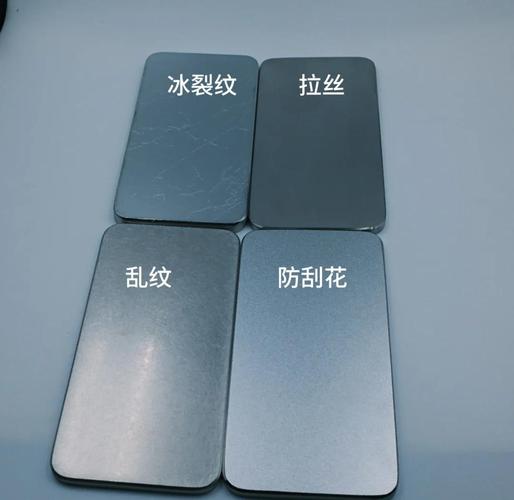
Consumer Goods: Found in appliances, cutlery, and electronics, where durability and aesthetics intersect.
Medical and Food sectors: Its non-reactive properties ensure safety in medical instruments and kitchen equipment. This broad applicability underscores stainless steel’s role as a cornerstone material in innovation and daily life.
Conclusion
Stainless steel is more than a material—it’s a strategic asset for modern challenges. Its durability, aesthetic versatility, cost efficiency, and sustainability make it a preferred choice across industries. By leveraging stainless steel, businesses can achieve superior performance, reduced operational costs, and environmental compliance. For professionals seeking reliable and innovative solutions, stainless steel offers a pathway to excellence. Explore our stainless steel products today and discover how they can transform your projects.

