

Stainless steel plates are essential for industrial manufacturing, construction decoration, and kitchenware production, with their quality directly impacting product durability, safety, and performance. Here are key tips to identify high-quality stainless steel plates.
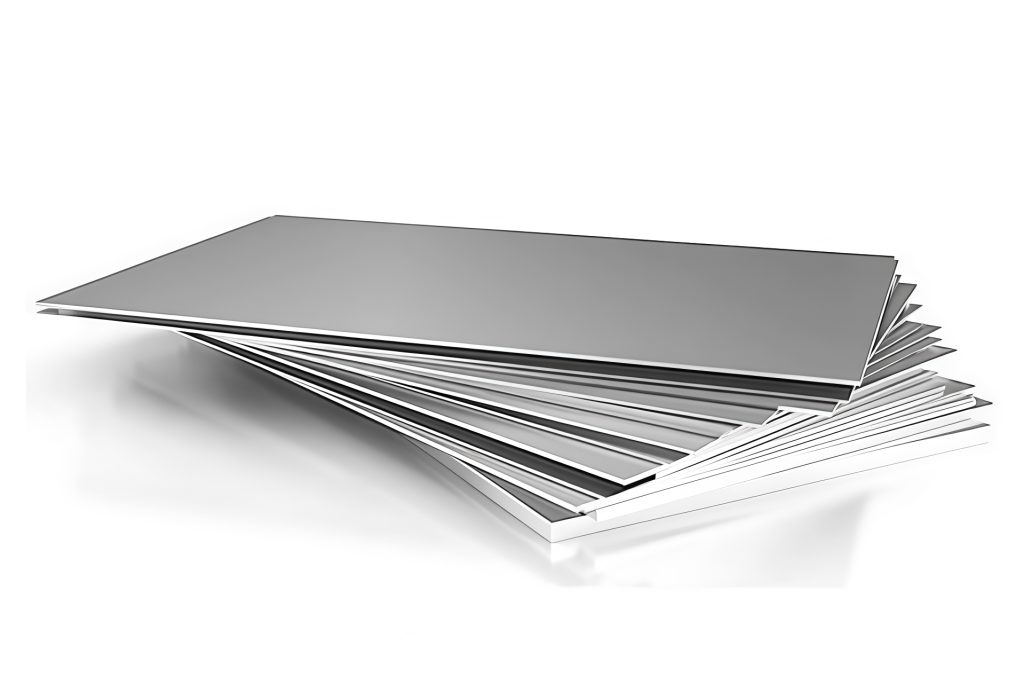
First, check the appearance. Premium plates feature a smooth, uniform surface free of scratches, pits, bubbles, or rust spots, with neatly cut, burr-free edges. Inferior plates, by contrast, have rough surfaces, uneven thickness, and sharp burrs that compromise structural stability.
Second, verify labels and certifications. Qualified plates are clearly marked with material grade (304 for general use, 316 for corrosive environments), thickness, and production standards, accompanied by quality inspection reports and material certificates. Avoid products with vague labels or no certification.
Third, conduct simple tests. Spray salt water on the surface: high-quality plates resist rust, while inferior ones show rust spots quickly. Gently scratch the surface—hard, dense plates leave no marks, while soft ones get scratched easily. Also, check flatness by placing the plate on a level surface; qualified products lie flat without warping.
Finally, choose reputable suppliers. Reliable manufacturers follow strict quality control and offer sound after-sales service, ensuring stable product quality.
Master these methods to select quality stainless steel plates that maximize your project returns.

