

Stainless steel pipes are integral in various industries, from construction to manufacturing. Understanding how to identify the quality of stainless steel pipes can save time, money, and ensure safety in your projects. Here are essential tips to help you evaluate the quality of stainless steel pipes:
1. Check the Material Composition High-quality stainless steel pipes are made from a specific blend of metals. Look for pipes made from 304 or 316 stainless steel, as they offer excellent corrosion resistance. You can often find this information stamped on the pipe.
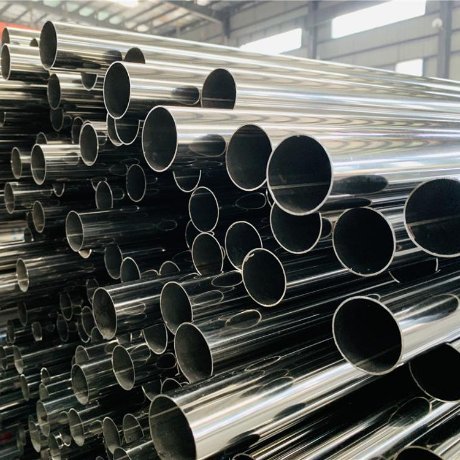
2. Examine the Surface Finish A quality pipe should have a smooth and polished surface. Check for any visible imperfections, such as scratches or rust, which may indicate poor manufacturing processes. A high-quality finish enhances both aesthetics and resistance to corrosion.
3. Look at the Thickness Ensure the thickness of the stainless steel pipe meets industry standards. Pipes that are too thin may not withstand pressure and could lead to failures in your application. Use a caliper to measure the thickness, ensuring it adheres to the required specifications.
4. Conduct a Magnetic Test Stainless steel is generally non-magnetic. A simple magnet test can help identify the quality. If the magnet sticks to the pipe, it might contain iron, indicating that it may not be high-quality stainless steel.
5. Check for Certifications Reputable manufacturers provide certifications for their products. Look for relevant certifications and compliance with ASTM (American Society for Testing and Materials) or ISO (International Organization for Standardization) standards, ensuring the pipes meet safety and quality requirements.
6. Ask for a Test Report A reliable supplier will provide a test report detailing the material composition and quality tests performed. This transparency helps ensure you are purchasing a high-quality product.
In conclusion, identifying the quality of stainless steel pipes involves checking material composition, examining the surface finish, measuring thickness, conducting a magnetic test, looking for certifications, and requesting test reports. By following these guidelines, you can confidently select stainless steel pipes that meet your project’s requirements.

