

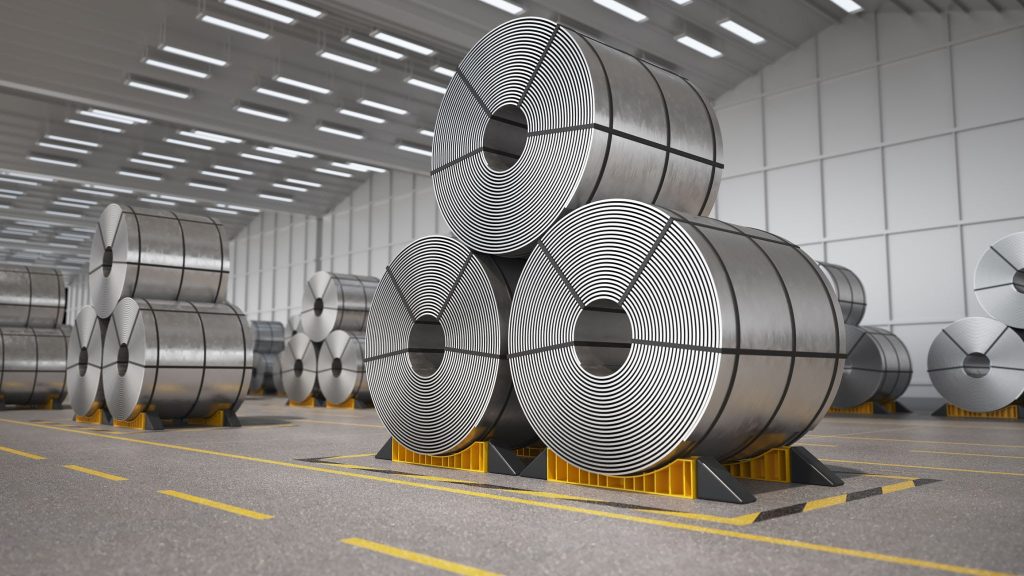
When it comes to industrial manufacturing, your end product is only as reliable as the raw materials you feed into your machinery. Stainless steel coils are the backbone of countless industries—from automotive stamping and medical devices to construction and chemical processing.
However, variations in manufacturing tolerances, chemical purity, and surface treatments mean that not all coils are created equal. Buying based on price alone often introduces hidden costs like downtime, scrap rates, and tooling wear.
This comprehensive guide breaks down the critical factors procurement managers and engineers must evaluate to select the right stainless steel coils for their operations.
1. Decoding the Material Grade and Chemical Composition
The first step is always matching the steel metallurgy to your precise application requirements. The most common families include:
- Austenitic (e.g., 304, 316): Excellent formability and superior corrosion resistance. 316 contains Molybdenum, making it essential for marine or chemical environments.
- Ferritic (e.g., 430, 409): Magnetic with good thermal conductivity, widely used in automotive exhaust systems and domestic appliances where extreme corrosion resistance isn’t required.
- Martensitic (e.g., 410, 420): High hardness and strength, ideal for cutting tools and wear-resistant parts, though less corrosion-resistant.
Procurement Tip: Always request a verifiable Mill Test Certificate (MTC). Ensure the actual chemical composition (especially Chromium, Nickel, and Carbon percentages) strictly matches international standards like ASTM, EN, or JIS.
2. Dimensional Tolerances and Edge Quality
In automated, high-speed manufacturing (like progressive die stamping or roll forming), even microscopic variances can cause jam-ups.
- Thickness Precision: Ensure your supplier can guarantee tight gauge tolerances across the entire width and length of the coil. Consistent thickness prevents uneven material flow and springback issues.
- Slitting & Edge Condition: High-quality coils feature clean, deburred edges. Poorly slit coils with heavy burrs or edge waves will accelerate tool and die wear, driving up maintenance costs.
3. Selecting the Correct Surface Finish
The surface finish isn’t just about aesthetics; it dictates how the steel interacts with your forming tools and environments.
| Finish Type | Characteristics | Typical Applications |
| No. 1 | Hot-rolled, annealed, and pickled. Dull, rough surface. | Industrial tanks, structural components. |
| 2B | Cold-rolled, brightened by a final light pass. Smooth, moderately reflective. | Deep drawing, kitchenware, general fabrication. |
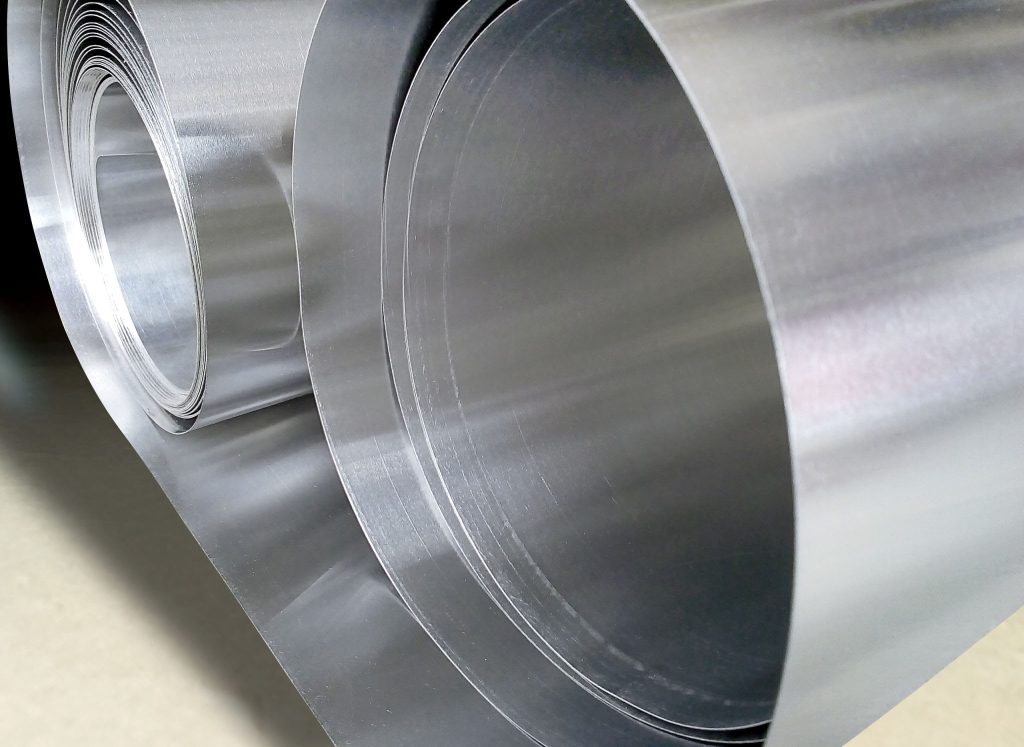
| BA (Bright Annealed) | Mirror-like reflection processed in a controlled atmosphere. | Automotive trim, architectural panels. |
4. Supplier Reliability and Packaging Protective Measures
A perfect coil can easily be ruined during transit. Reliable suppliers use robust packaging protocols, including moisture-proof wrapping, heavy-duty steel strapping, and secure wooden skids to prevent “telescoping” (shifting of the inner wraps) or water staining during ocean freight.
Partner with [Baofametal] for Quality You Can Trust
At [Baofametal], we understand that your production schedule relies on material predictability. We offer custom slitting, precision rolling, and full traceablity on every single stainless steel coil we deliver.
Ready to optimize your raw material sourcing? [Contact our technical sales team today] for a tailored quote or material consultation.

