

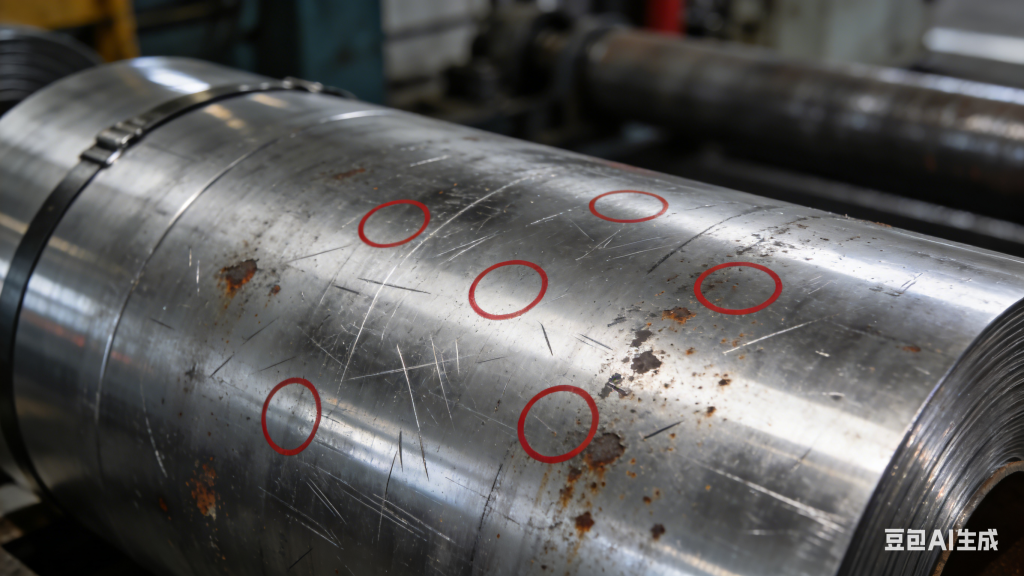
Ever bought 316 stainless steel coils… only to find hidden surface flaws that ruin your project?
Dents. Scratches. Rust spots. Uneven finishes.
These aren’t just “cosmetic issues” — they’re red flags for corrosion resistance, durability, and performance.
As the go-to material for marine, chemical, and food-grade projects, 316 stainless steel’s surface quality is make-or-break.
Lucky for you, we’re spilling the 5 pro tips to judge 316 coil surface quality like an expert — no fancy tools required.
[Cut to fast-paced montage: Hand running over a smooth coil, flashlight checking for defects, finger wiping surface, measuring with a caliper]
5 Must-Know Checks for 316 Stainless Steel Coil Surface Quality
- Visual Inspection: No Blemishes Allowed
Scan the entire surface under natural light. Look for:
✅ No scratches, dents, or pits (even tiny ones can cause corrosion)
✅ Uniform color (no discoloration, dark spots, or rust traces)
✅ Smooth edges (no burrs, cracks, or uneven cutting marks)
- Touch Test: Feel for Consistency
Run your hand gently over the coil (wear gloves if unpolished!).
✅ Surface should be smooth, consistent, and free of rough patches or raised grains
✅ No sticky residues (sign of poor cleaning after production)
- Finish Verification: Match Your Requirement
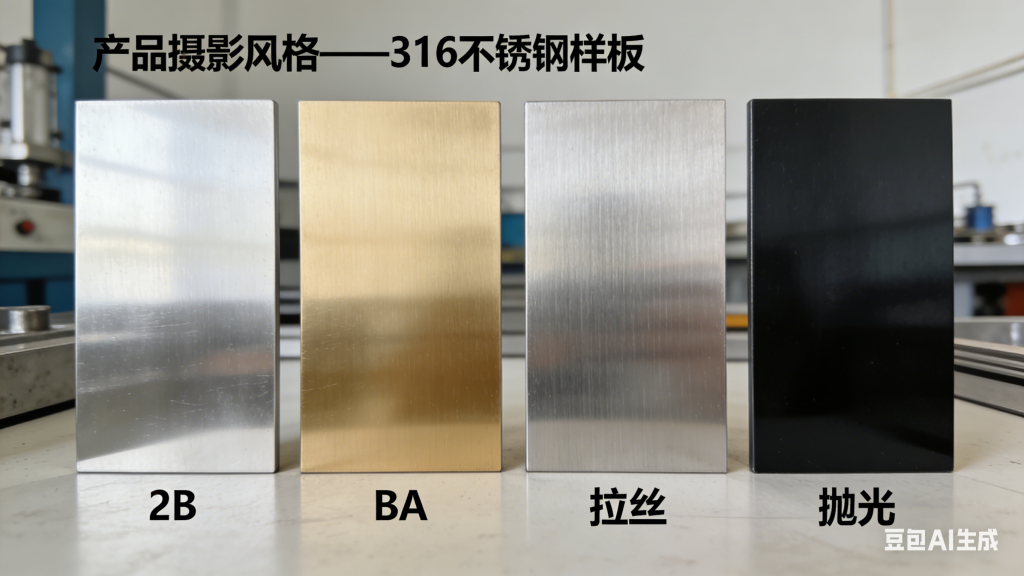
316 coils come in common finishes — make sure it’s exactly what you ordered:
- 2B (matte, cold-rolled): Uniform matte texture, no glare
- BA (bright annealed): Mirror-like shine, no cloudiness
- Brushed: Fine, consistent grain direction (no random brush strokes)
✅ Finish should be even across the entire coil — no patches or inconsistencies
- Corrosion Resistance Spot Check
For critical projects: Dab a small amount of saltwater on an inconspicuous area.
✅ No rust or discoloration after 24 hours (316’s high molybdenum content resists saltwater corrosion)
- Dimensional Accuracy: Not Just Surface Deep
While not “surface quality,” it’s tied to overall craftsmanship:
✅ Thickness is consistent across the coil (use a caliper to check)
✅ Width and length match your order (no uneven trimming)
Narrator (authoritative, reassuring):
Why does this matter?
A flawed 316 surface compromises its corrosion resistance — the very reason you chose 316 over other grades.
In marine environments, a tiny pit can turn into a rust hole. In food processing, a scratch can harbor bacteria.
At [Baofametal], we take 316 coil surface quality seriously. Every coil undergoes 3 rounds of inspections (visual, touch, finish) before shipment — ensuring you get a flawless product that performs for years.
Ready to source 316 stainless steel coils with perfect surface quality?
DM “316CHECK” to get our free surface quality inspection checklist — and browse our premium 316 coils (custom sizes/finishes available!).
Tag a procurement manager who needs this — let’s avoid lemons and build with confidence.
#316StainlessSteel #SurfaceQuality #MetalProcurement #IndustrialTips #StainlessSteelCoils

