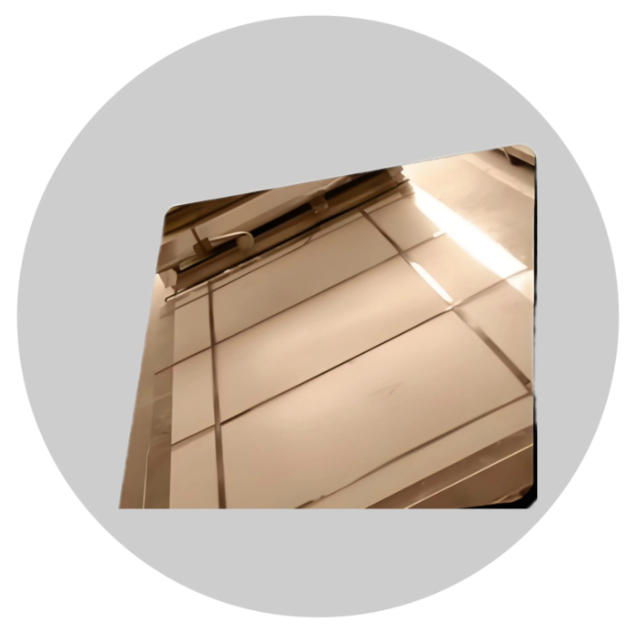

304 stainless steel sheets are significantly more durable than 201, with the core performance gap focused on corrosion resistance and long-term service life.
Key Durability Differences
Essential Composition Gap: 201 stainless steel contains only 3.5%-5.5% nickel and 5.5%-7.5% manganese, while 304 features 8%-10% nickel and 18%-20% chromium. This higher alloy content forms a far more stable rust-resistant passive film on the material surface.
10–100x Faster Corrosion Rate for 201: In humid, salt-containing or weak acid/alkali environments, 201 corrodes 10 to 100 times faster than 304. In coastal areas, kitchen and bathroom spaces, 201 can develop yellow rust spots in just a few days to half a year.
Huge Performance Gap After Welding: 304 has excellent intergranular corrosion resistance. 201 is extremely prone to rust at weld seams, making it far more likely to suffer local cracking and premature failure during long-term use.
Service Life Comparison by Application Scenario
201 is only suitable for dry, non-corrosive ordinary decoration scenarios, with a normal service life of about 1–3 years. It is not recommended for food contact, outdoor, or humid kitchen and bathroom environments.
304 can operate stably for more than 10 years in regular indoor spaces, general outdoor areas and fresh water environments. It requires minimal maintenance, and its long-term comprehensive usage cost is far lower than 201.
If you need to accurately verify the material grade and durability of your existing sheets, you can send samples to a professional material testing lab to run composition and corrosion resistance tests, to avoid purchasing non-compliant products.